WUHAN, CHINA — We are thrilled to share a monumental milestone for TEDI Tanzania on the international stage!
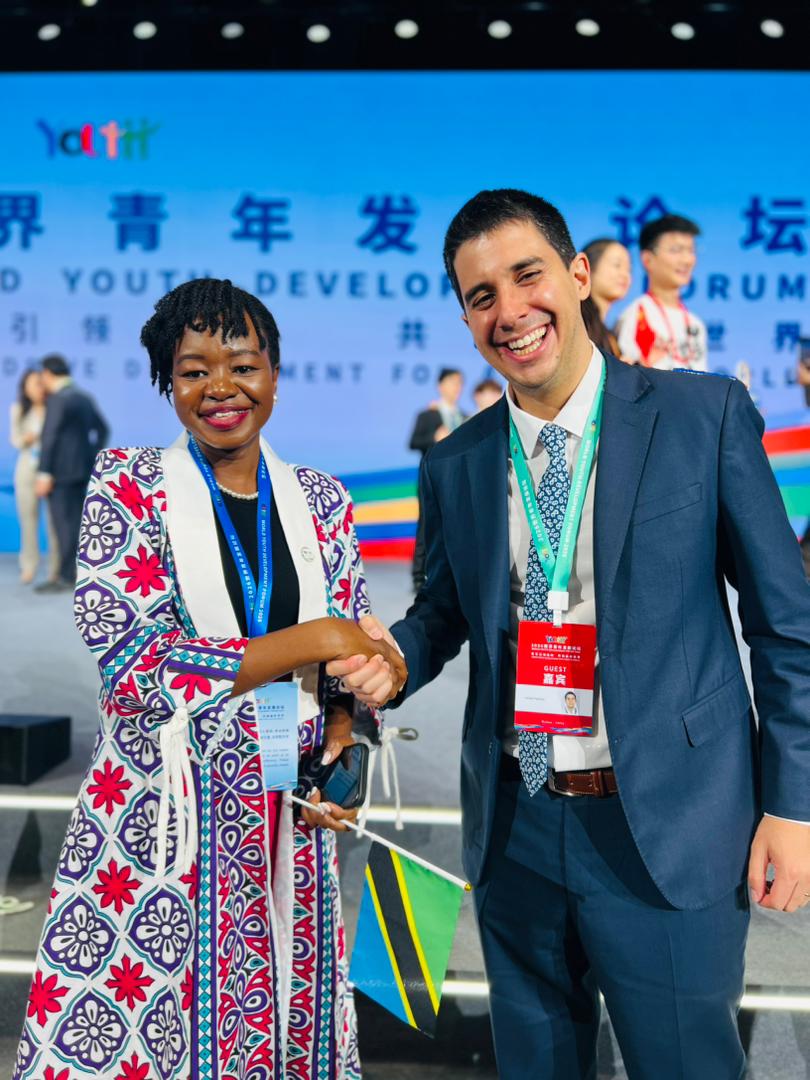
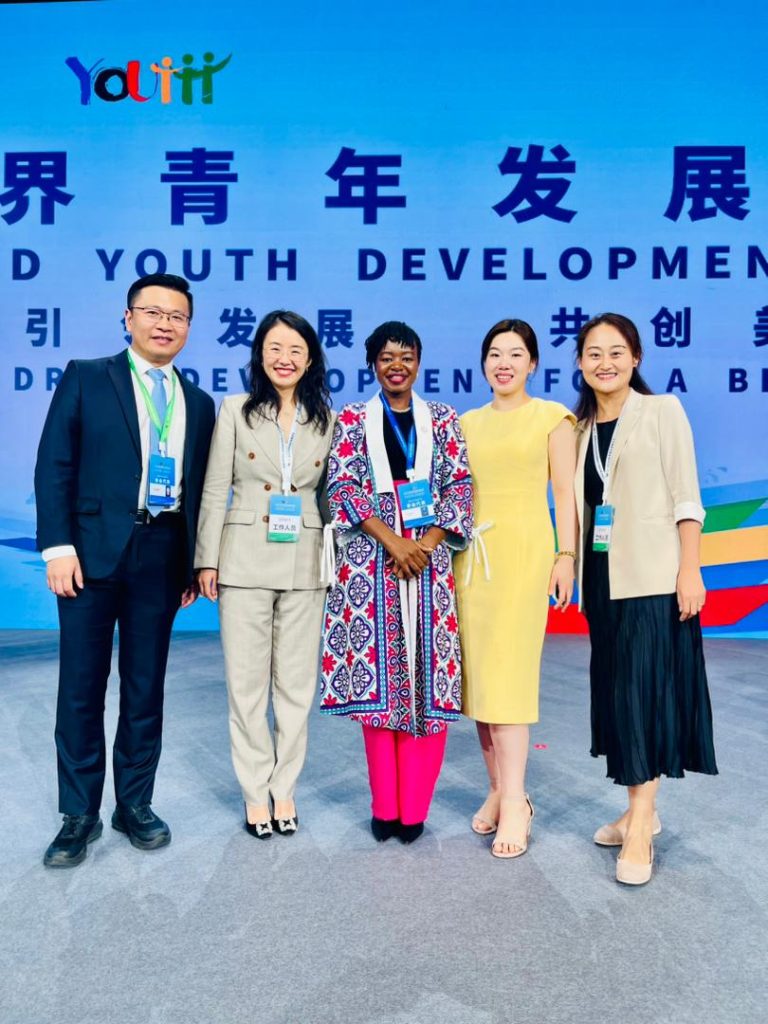
During the high-level Opening Plenary of the 2026 World Youth Development Forum (WYDF) held in Wuhan, China, our flagship initiative—the “One Computer Lab One School” program—was officially recognized following the selection for 2026 Acceleration Week for global Youth Development Programs.
Pitching to Global Leaders & Policymakers
Our Founder and Executive Director Ms. Gloria Anderson, took to the main stage during the opening plenary to pitch our model directly to an audience of world leaders, policymakers, and international youth advocates from over 120 countries.
Notable global dignitaries in attendance included:
-
- Dr. Felipe Paullier, United Nations Assistant Secretary-General for Youth Affairs.
-
- Leadership from the All-China Youth Federation (ACYF).
-
- High-level representatives from UN agencies.
Gloria delivered an impassioned address highlighting the reality of digital equity in rural African communities, sharing how traditional learning leaves students studying technology straight from text chalkboards, and how TEDI Tanzania is rewriting that narrative.
“Believe in young people’s ideas. Invest in our scalable, proven frameworks,” Gloria urged the plenary, calling on international development partners to back grassroots, youth-led solutions.
Built to Scale: The “One Computer Lab One School” Framework
What caught the attention of global judges at WYDF is that this program isn’t just a localized charity project—it is a highly scalable infrastructure model designed to be replicated across emerging economies.
Our blueprint for rapid expansion relies on three scalable components:
- The Plug-and-Play Localized Infrastructure: We use cost-effective, energy-efficient hardware setups and customized offline learning servers. This allows us to rapidly deploy fully operational computer labs even in rural schools with limited or zero internet connectivity.
- The Train-the-Trainer Model: Instead of relying on external staff, we upskill local schoolteachers into digital literacy ambassadors. This ensures the curriculum scales independently long after our initial setup.
- The Public-Private Co-Funding Matrix: We don’t fund these labs alone. By creating a standardized cost-sharing model with Local Government Authorities (LGAs), we split costs and responsibilities, making it incredibly easy for new districts to adopt and legally integrate the program into public budget lines.
The Power of Local and Global Partnerships
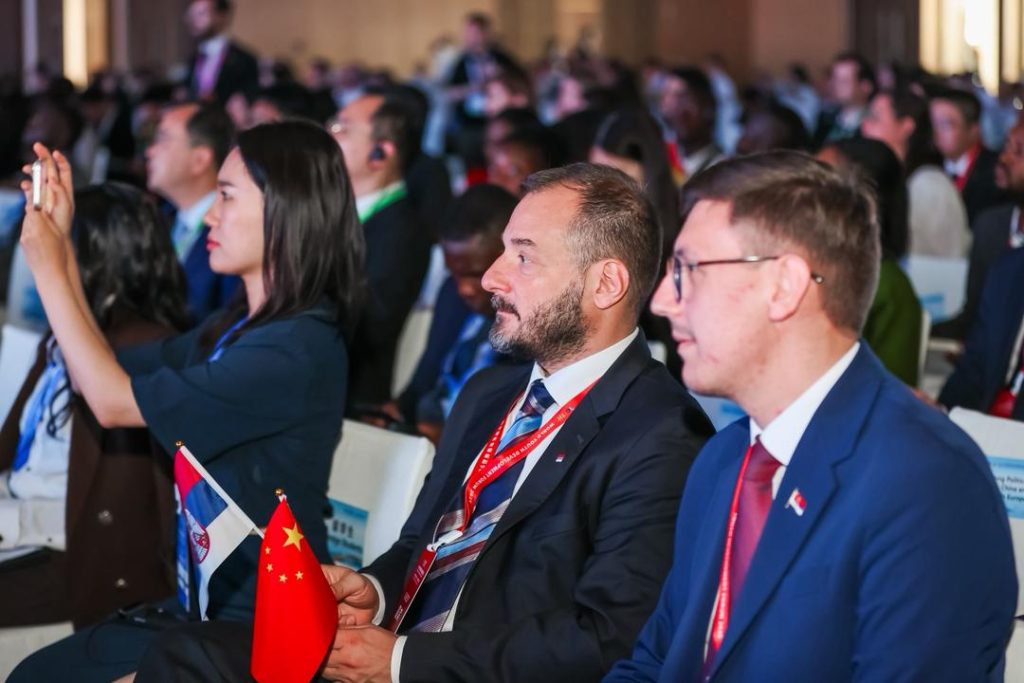
This scalable framework succeeds because of a powerful ecosystem. By joining forces with international education development practitioners like Drexel TechServ, alongside Local Government Authorities (LGAs) in Tanzania, we have built a sustainable network that has already impacted over 35,000 young people and 250+ teachers.
This international recognition at WYDF paves the way for deeper cross-border cooperation, resource mobilization, and the expansion of our digital literacy programs to ensure no child is left behind in the modern digital economy.